Skipping Professional Soil Testing Before Foundation Work
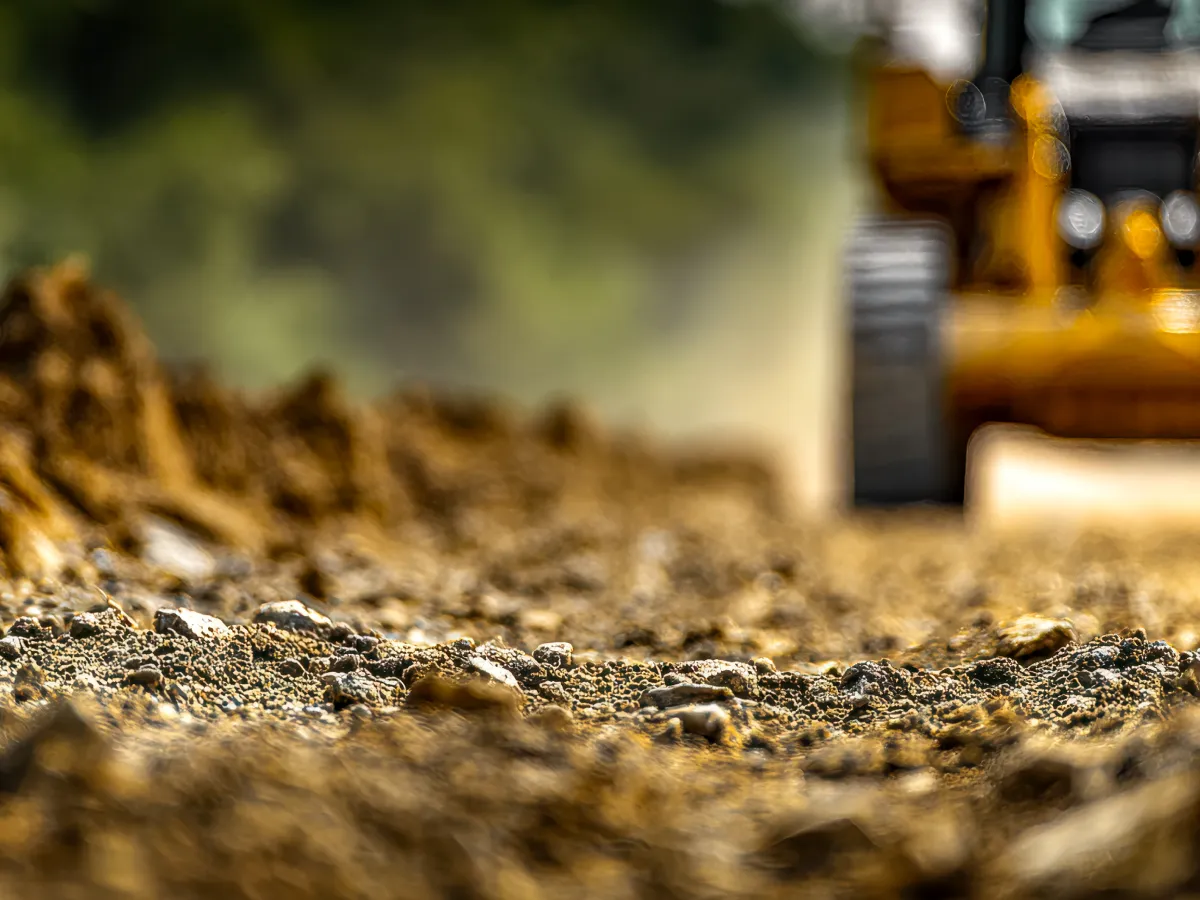
Soil testing reveals essential information about bearing capacity, moisture content, and the presence of expansive clays that can wreak havoc on concrete structures. Without this knowledge, contractors cannot properly design the depth, reinforcement, or concrete mix needed for long-term stability. The cost of testing typically ranges from a few hundred dollars, while repairing a failed structure can easily exceed tens of thousands.
Expansive soils are particularly common in the Phoenix metropolitan area, including Avondale. These soils swell when wet and shrink during dry periods, creating tremendous pressure on concrete structures. A proper geotechnical report identifies these conditions and allows engineers to design appropriate solutions such as deeper footings, specialized reinforcement, or soil stabilization techniques. Skipping this step is essentially gambling with your property investment and setting yourself up for expensive remediation work down the road.
Ignoring Proper Drainage Planning and Installation
Water is the single greatest threat to structural integrity, yet drainage is one of the most commonly overlooked aspects of construction and maintenance. During Arizona’s monsoon season, even our arid climate receives sudden, intense rainfall that can overwhelm inadequate drainage systems. Water that pools near your structure seeps into the surrounding soil, causing expansion, erosion, and hydrostatic pressure that can crack even the strongest concrete.
A properly designed drainage system includes multiple components working together: proper grading that slopes away from the structure, functional gutters and downspouts that direct water at least 10 feet away, and potentially French drains or other subsurface drainage solutions for problematic areas. Each element plays a crucial role in keeping moisture away from the vulnerable areas where your home meets the ground.
Many homeowners in Avondale and surrounding areas discover drainage problems only after noticing cracks, settling, or moisture intrusion. By that point, both the drainage system and the structural damage require attention, multiplying the cost significantly. Installing proper drainage during initial construction costs a fraction of what you will spend on repairs later. This includes ensuring downspouts do not simply dump water next to your home and that landscaping does not create valleys that channel water toward the structure rather than away from it.
Using Inadequate Reinforcement or Incorrect Concrete Mix
Not all concrete is created equal, and the specifications for your structural system should be based on engineering calculations specific to your soil conditions, climate, and building loads. Cutting corners on reinforcement or using an inappropriate concrete mix might save a few dollars initially, but it virtually guarantees problems as the structure ages and settles.
Rebar placement, spacing, and sizing are determined by the loads the structure must support and the soil conditions beneath it. Inspectors frequently discover inadequate reinforcement in failed structures, such as insufficient rebar, improper spacing, or steel placed at incorrect depths within the concrete. These mistakes compromise the concrete’s tensile strength and its ability to resist cracking under stress. Temperature fluctuations in the Arizona desert create expansion and contraction cycles that place additional demands on properly reinforced concrete.
The concrete mix itself must be appropriate for the application and environmental conditions. This includes the correct water-to-cement ratio, proper aggregate selection, and appropriate strength ratings. Adding too much water to make concrete easier to work with is a common shortcut that significantly weakens the final product. Similarly, pouring concrete in extreme temperatures without proper precautions can result in rapid moisture loss, inadequate curing, and reduced strength. These seemingly minor decisions during construction have major implications for structural longevity and performance.
Rushing the Curing Process
Concrete does not simply dry; it cures through a chemical process that requires time, proper temperature, and adequate moisture. This curing process is essential for the concrete to achieve its designed strength and durability. Rushing this process by removing forms too early, allowing excessive moisture loss, or loading the structure prematurely can permanently compromise its structural capacity.
In Arizona’s hot, dry climate, the curing process presents particular challenges. Rapid evaporation can pull moisture from fresh concrete before the curing reactions are complete, resulting in surface cracking, reduced strength, and increased permeability. Proper curing typically requires keeping the concrete moist for at least seven days, and ideally longer for critical structural elements. This might involve water spraying, wet coverings, or curing compounds that slow moisture loss.
The temptation to accelerate construction schedules often leads contractors to shortcut the curing process. Building owners eager to move forward with framing and other trades may pressure contractors to proceed before the concrete has gained adequate strength. However, concrete continues to gain strength for weeks after placement, and critical structural elements should not bear full loads until the concrete has achieved sufficient capacity. The few days saved by rushing this process pale in comparison to the decades of problems that can result from inadequately cured concrete. Surface dusting, cracking, and reduced load capacity are common symptoms of improper curing that may not become apparent until years later.
Neglecting Expansion Joints and Control Measures
Concrete expands and contracts with temperature changes, and without proper accommodation for this movement, cracking is inevitable. Expansion joints and control joints are engineered features that guide where and how concrete moves, preventing random, unsightly, and potentially structural cracks from developing throughout the installation.
Control joints create intentional weak points where concrete will crack in a controlled, predetermined location rather than randomly across the surface. These joints should be placed at regular intervals based on the thickness and dimensions of the concrete placement. Expansion joints provide space for concrete to expand during hot weather without creating compression stress that can cause buckling or cracking. In the Phoenix area, where summer temperatures regularly exceed 110 degrees, concrete surfaces can expand significantly, making these joints essential.
Many DIY projects and even some professional installations neglect proper joint placement, either omitting them entirely or placing them incorrectly. The result is random cracking that not only looks unprofessional but can also allow water infiltration and lead to structural deterioration over time. Properly placed and sealed joints cost very little during initial construction but save tremendous expense and frustration by preventing crack-related problems. Joint spacing should follow industry guidelines based on slab thickness, with joints typically placed at intervals of 2 to 3 times the slab thickness in inches. A four-inch slab, for example, should have control joints every 8 to 12 feet.
Trademark Concrete Co. brings decades of experience to every project in Avondale and throughout the greater Phoenix area. Our team understands the unique challenges presented by Arizona’s climate and soil conditions, and we design every installation to address these specific factors. From initial soil assessment through final curing and sealing, we follow engineering best practices and never cut corners on the details that ensure long-term performance. Whether you need a new installation, repair of existing damage, or guidance on maintaining your current structure, our specialists provide solutions backed by proven methods and quality materials. Contact us at (602) 499-6420 or email kaylea@trademarkconcreteco.com to discuss your project and learn how proper planning and execution can save you thousands in future repair costs.